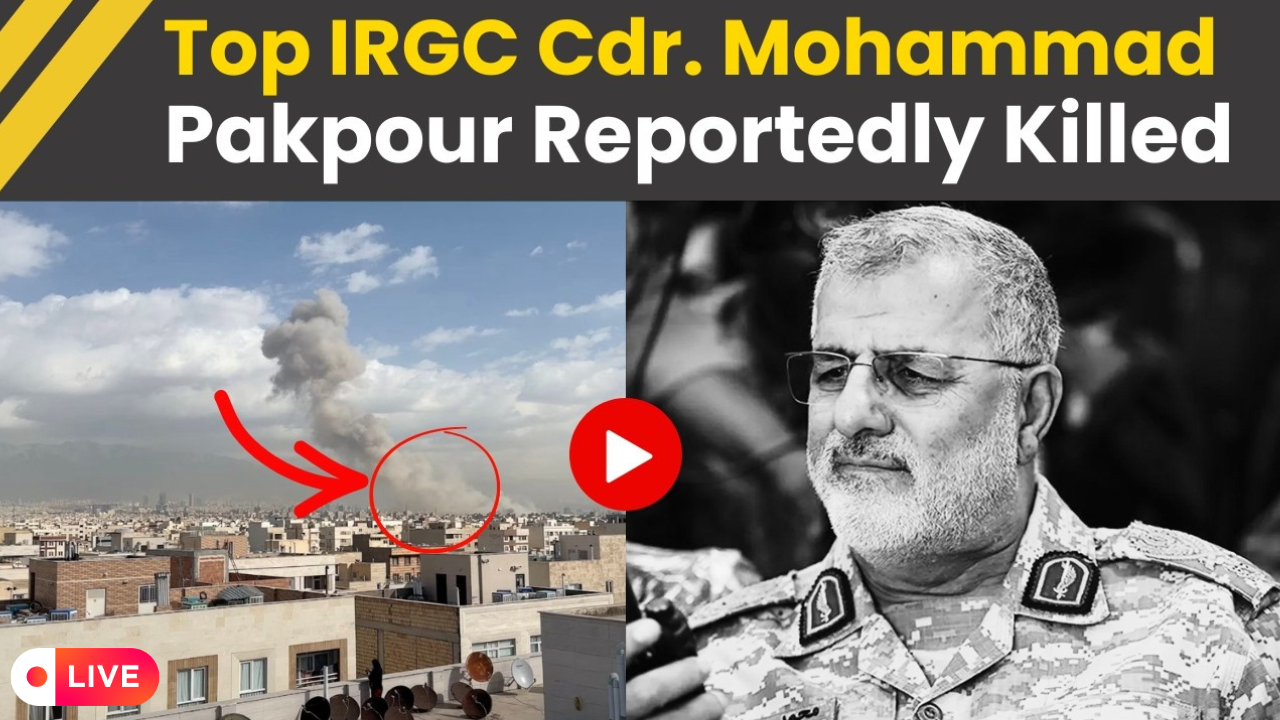
Iran’s Top Defense Leaders Killed : Tensions in the Middle East may have reached a dangerous new peak. On February 28, 2026, reports surfaced claiming that Iran’s Defense Minister and a senior Islamic Revolutionary Guard Corps (IRGC) commander were killed in coordinated strikes allegedly carried out by the United States and Israel.
If confirmed, this development could reshape the region’s security landscape overnight.

While official verification remains limited, the scale of the reported operation and the names involved have already triggered global concern, market jitters, and fears of wider escalation.
What Happened on February 28?
According to multiple international media reports, a series of precision air and missile strikes targeted key military and command facilities inside Iran, including sites in Tehran.
The strikes were reportedly part of a broader operation aimed at Iran’s military leadership and infrastructure.
Officials Reportedly Targeted

Unconfirmed reports claim the following senior figures were killed:
- Aziz Nasirzadeh, Iran’s Defense Minister
- Mohammad Pakpour, Commander of the IRGC Ground Forces
Both officials were considered central to Iran’s defense planning and regional military coordination.
Iranian authorities have acknowledged casualties among commanders but have not publicly confirmed specific names at the time of writing.
Why These Figures Matter

Understanding their roles helps explain why the situation is being viewed as a major escalation.
| Official | Role | Strategic Importance |
| Aziz Nasirzadeh | Defense Minister | Oversaw military logistics, defense policy, and armed forces strategy |
| Mohammad Pakpour | IRGC Ground Forces Commander | Directed ground operations and regional security coordination |
If the reports are accurate, this would mark one of the most significant direct hits on Iran’s senior military leadership in recent years.
Such a development could disrupt command structures in the short term — but it could also harden positions within Iran’s political and military circles.
Iran’s Immediate Response
Within hours of the reported strikes, Iran launched missile and drone attacks toward U.S. military positions in parts of the Gulf region, according to regional security sources.
Iran’s Foreign Ministry stated that senior leadership remains “fully operational” and warned that retaliation would continue if attacks persist.
State media reported large explosions but avoided direct attribution in early coverage.
Security alerts were reportedly heightened across several neighboring countries.
A Conflict Years in the Making
This latest escalation did not happen in isolation.
Tensions between Iran and Israel have simmered for years, fueled by:
- Allegations of covert strikes and cyber operations
- Iran’s support for regional proxy groups
- Ongoing disputes over nuclear development
- U.S. sanctions and military presence in the Gulf
The United States has repeatedly stated that its regional actions are aimed at preventing threats and maintaining stability.
However, critics warn that each direct strike increases the risk of miscalculation.
What Happens Next?
Security analysts say there are three possible short-term scenarios:
1. Controlled Escalation
Both sides exchange limited strikes but avoid all-out war.
2. Regional Spillover
Proxy groups in neighboring countries become involved, widening the conflict zone.
3. Diplomatic Intervention
Global powers push for emergency negotiations to prevent further escalation.
The next 48–72 hours are considered critical.
Oil markets, global stock indices, and regional airspace restrictions are already reacting to the uncertainty.
Global Reactions So Far
International responses have been cautious.
Some allies have expressed support for actions aimed at preventing destabilizing threats. Others have urged restraint and called for de-escalation to avoid a full-scale regional conflict.
The United Nations has reportedly initiated urgent consultations.
Diplomatic backchannels are believed to be active, though no formal ceasefire discussions have been announced.
Why This Story Matters Globally
This is not just a regional dispute.
The Middle East plays a vital role in:
- Global energy supply
- International trade routes
- Military alliances
- Counterterrorism efforts
Any sustained military escalation could impact fuel prices, global markets, and geopolitical stability.
Even limited conflict can have worldwide ripple effects.
Key Takeaways
- Reports claim two top Iranian military leaders were killed in coordinated strikes.
- Iran has launched retaliatory actions targeting U.S. positions.
- Official confirmation remains partial and evolving.
- The risk of broader regional escalation is high.
- Diplomatic efforts may determine whether tensions cool or intensify.
The situation remains fluid, and new information may emerge rapidly.
FAQs
Has Iran officially confirmed the deaths?
Iran has acknowledged commander casualties but has not publicly confirmed the specific names mentioned in early reports.
Are the United States and Israel officially claiming responsibility?
Statements suggest involvement in military actions, but detailed operational confirmations remain limited.
Could this lead to a full-scale war?
It is possible but not certain. Much depends on the scale of retaliation and diplomatic efforts in the coming days.
How might this affect oil prices?
Heightened tensions in the Gulf often cause short-term volatility in global oil markets.
Is international mediation underway?
Diplomatic discussions are reportedly active, though no formal agreement has been announced.
Final Thoughts
The Middle East stands at a pivotal moment.
If the reported deaths are confirmed, this could mark a defining chapter in regional power dynamics. But history shows that even the most intense escalations can shift toward negotiation — if cooler heads prevail.
For now, the world watches closely.
Stay informed, follow verified updates, and keep an eye on how global leaders respond in the coming days.