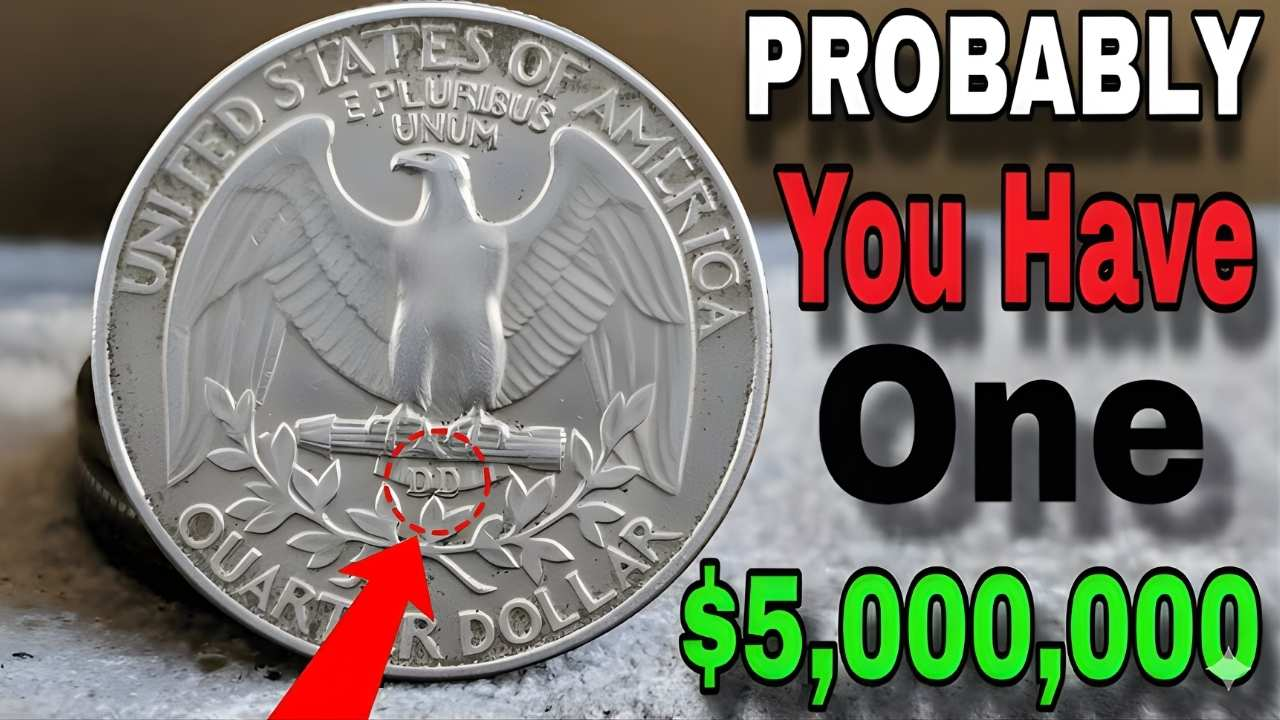
Bicentennial Quarter Value Guide: If you’ve ever looked closely at your spare change, you might have noticed a quarter with the unusual date “1776–1976.” This coin stands out from the rest, and for good reason. It was created to celebrate America’s 200th birthday.
Most of these coins are still worth only their face value. But a small number—depending on condition, mint mark, silver content, or rare errors—can be worth much more than 25 cents.

That’s why collectors and everyday coin hunters still check their pocket change today. Here’s a simple guide to help you understand what your Bicentennial Quarter could actually be worth.
What Is the Bicentennial Quarter?
The Bicentennial Quarter was released by the United States Mint to commemorate the 200th anniversary of American independence.
These coins were produced in 1975 and 1976, but they carry the dual date 1776–1976 to represent the country’s bicentennial celebration.

Key facts about the coin include:
- No quarters were dated 1975
- The coin was part of a special three-coin commemorative set
- It celebrates the signing of the United States Declaration of Independence
Millions were minted, which is why most remain common today. However, a few varieties are still valuable to collectors.
Unique Design That Makes It Easy to Spot
The Bicentennial Quarter looks different from standard U.S. quarters, especially on the back.
Obverse (Front)
- Portrait of George Washington
- Dual date 1776–1976
Reverse (Back)
- Colonial drummer boy design
- Victory torch surrounded by 13 stars representing the original colonies
- Designed by artist Jack L. Ahr

This drummer design is what makes the coin instantly recognizable.
Mint Locations and Types
Bicentennial Quarters were produced at three U.S. mint facilities.
| Mint Location | Mint Mark | Type Produced | Collectibility |
|---|---|---|---|
| Philadelphia | None | Circulation coins | Most common |
| Denver | D | Circulation coins | Common |
| San Francisco | S | Proof and silver versions | More collectible |
The San Francisco Mint coins are often more valuable, especially the silver versions made for collectors.
Two Different Metal Compositions
Not all Bicentennial Quarters were made from the same metal.
Copper-Nickel Clad (Standard Coins)
- Used for regular circulation
- Found in everyday pocket change
- Usually worth face value unless in exceptional condition
40% Silver Collector Coins
- Produced mainly for collector sets
- Made by the San Francisco Mint
- Generally more valuable because of their silver content
These silver coins were not intended for circulation, making them more desirable among collectors.
How Much Are Bicentennial Quarters Worth Today?
The value of a Bicentennial Quarter depends on condition, mint mark, and composition.
| Coin Type | Typical Value |
|---|---|
| Circulated clad quarter | $0.25 |
| Uncirculated example | $1 – $5 |
| 40% silver version | $5 – $15+ |
| Proof coins | $5 – $20+ |
| High-grade collector coins | $100 or more |
Coins graded MS67 or higher by professional grading services can sometimes sell for significantly higher prices at auctions.
Rare Errors That Can Increase Value
Collectors often search for mint errors, which occur during the manufacturing process.
Some valuable error types include:
- Double die strikes
- Off-center strikes
- Clipped planchets
- Wrong planchet strikes
- Major die cracks
Depending on rarity and condition, error coins can sell for $100 to several thousand dollars.
These unusual coins are among the most exciting finds for collectors.
How to Identify a Silver Bicentennial Quarter
Silver versions are easy to recognize if you know what to look for.
Check the following features:
- Mint mark “S” under Washington’s portrait
- Solid silver edge (no copper stripe)
- Slightly heavier weight than standard coins
Because silver prices change over time, the melt value of the metal can influence the coin’s market price.
What Makes Some Coins Extremely Valuable?
Most Bicentennial Quarters are common, but certain factors can dramatically increase value.
Collectors look for coins with:
- Perfect or near-perfect condition
- Rare mint errors
- Professional grading certification
- Deep cameo proof finishes
- Silver composition in pristine condition
In rare cases, exceptional examples have sold for hundreds or even thousands of dollars at auctions.
How to Check If Your Coin Is Valuable
If you find a Bicentennial Quarter, take a moment to inspect it carefully.
Here are a few quick steps:
- Look for a mint mark (D or S)
- Check the coin’s edge for a copper stripe
- Examine the surface for errors or unusual features
- Compare recent coin auction listings
- Consider professional grading if the coin appears flawless
Even coins that seem ordinary may have collectible value if they’re in excellent condition.
Key Takeaways
- Bicentennial Quarters were issued to celebrate the U.S. bicentennial.
- Most coins are worth 25 cents, but some collector versions are worth more.
- Silver coins and mint errors are the most valuable.
- High-grade certified examples can sell for hundreds or more.
- Always check mint marks, condition, and unusual features.
Final Thoughts
The Bicentennial Quarter is more than just spare change—it’s a small piece of American history. While most are still worth only 25 cents, a few rare versions can carry surprising value.
If you happen to find a 1776–1976 quarter in your coin jar, take a closer look. The right combination of condition, mint mark, and rarity might turn an ordinary coin into a collectible treasure.
And if you enjoy coin collecting, keep checking your pocket change—you never know when the next valuable discovery might appear.
FAQs
Are Bicentennial Quarters rare?
No. Millions were produced, so most are common. However, certain silver versions and error coins are more collectible.
How can I tell if my Bicentennial Quarter is silver?
Check for an “S” mint mark and a solid silver edge without the copper stripe.
Are Bicentennial Quarters still in circulation?
Yes. Many remain in circulation and can still appear in everyday change.
What is the highest value for a Bicentennial Quarter?
Rare high-grade coins with errors or exceptional condition can sell for hundreds or even thousands of dollars.
Should I get my coin professionally graded?
If your coin appears uncirculated, silver, or has a visible mint error, professional grading may help confirm its value.