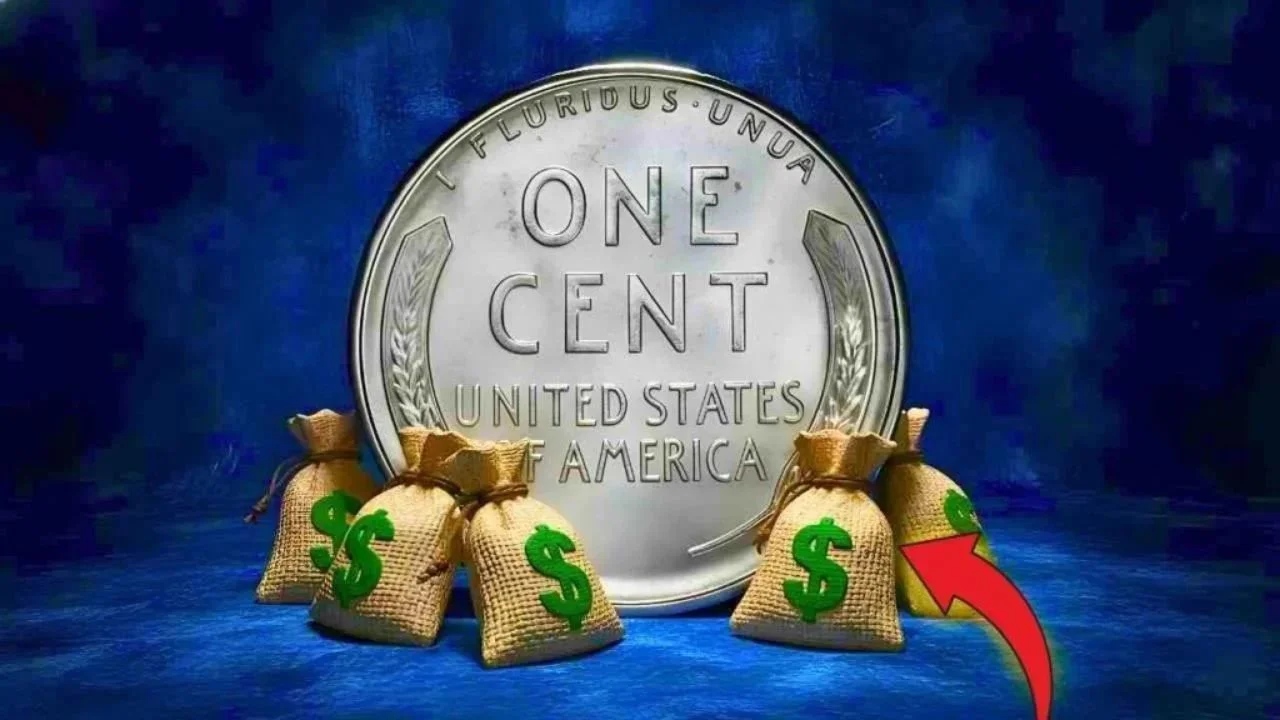
Interest in classic American coins has climbed sharply over the past decade, and few pieces have benefited more than the iconic Wheat Penny. Once dismissed as spare change, certain editions are now commanding serious money at auctions and online marketplaces.
Minted from 1909 to 1958, these historic one-cent coins are becoming harder to find in high grades. As more collectors enter the hobby and certified coins trade globally, demand has steadily pushed values higher—especially for rare dates and striking errors.
What Makes Wheat Pennies So Desirable?

The Wheat Penny was the first U.S. coin to feature a real historical figure: President Abraham Lincoln. Designed by Victor David Brenner, the coin displays Lincoln’s profile on the front and two wheat stalks on the reverse, symbolizing America’s agricultural roots.
Over time, specific mint years and production quirks have made certain coins dramatically more valuable than others.
Key Specifications at a Glance
| Feature | Details |
|---|---|
| Years Minted | 1909–1958 |
| Designer | Victor David Brenner |
| Composition | 95% copper (except most 1943 issues) |
| Weight | 3.11 grams |
| Diameter | 19 mm |
| Obverse | Abraham Lincoln |
| Reverse | Two wheat stalks |
| Notable Rarities | 1909-S VDB, 1914-D, 1922 No D |
| Famous Error | 1955 Double Die |
While most circulated examples sell for modest premiums, rare variations can reach into the thousands.
The Rare Dates Driving the Market

Certain Wheat Pennies have consistently outperformed the broader coin market.
The 1909-S VDB remains one of the most coveted issues due to its limited mintage and the visible initials of the designer. The 1914-D is another key rarity that often sells for strong four-figure prices in higher grades.
Collectors also hunt for the elusive 1922 “No D” penny, created when the Denver mint mark failed to appear properly. Because it stands out from typical issues, demand for well-preserved examples has remained strong.

Condition plays a decisive role. Even small differences in wear can dramatically change a coin’s value.
The 1943 Steel and Copper Story
During World War II, copper was redirected toward wartime production. In 1943, the U.S. Mint struck pennies in zinc-coated steel instead. These silver-colored coins are common and affordable today.
However, a small number of 1943 pennies were mistakenly struck in copper. These rare transitional errors are among the most valuable Lincoln cents ever produced, with auction results exceeding six figures in recent years.
The rarity and wartime backstory continue to fuel demand, especially among advanced collectors.
Error Coins: Small Mistakes, Big Value
Mint errors remain a major growth area in the hobby.
The 1955 Double Die Wheat Penny is one of the most famous examples. The doubling in the date and lettering is clearly visible, making it highly sought after even in circulated condition.
Other collectible errors include off-center strikes and repunched mint marks. As awareness spreads through online marketplaces and grading services, these once-overlooked mistakes are now aggressively pursued.
The Role of Professional Grading
Third-party grading companies such as Professional Coin Grading Service (PCGS) and Numismatic Guaranty Company (NGC) have reshaped the market.
Certified coins sealed in tamper-proof holders typically sell for more because buyers trust the assigned grade. Over the last decade, the expansion of online auctions has made it easier than ever for collectors to buy and sell authenticated coins globally.
This added transparency has contributed to stronger and more consistent pricing trends.
Why Wheat Pennies Still Matter Today
Beyond financial value, Wheat Pennies represent an important chapter in American history. They circulated through World War I, the Roaring Twenties, the Great Depression, and World War II.
As fewer high-grade examples survive, scarcity continues to support long-term interest.
For families and everyday collectors, Wheat Pennies offer an accessible entry point into numismatics. Many enthusiasts begin simply by checking old jars of coins or inherited collections.
Final Takeaway
Wheat Penny values have shown steady strength over the last ten years, driven by rare dates, historic mint errors, and growing online demand. While most examples remain affordable, key issues and certified high-grade coins continue to appreciate.
For collectors, the appeal is twofold: historical significance and the possibility of discovering something truly rare. In a market where tangible assets are increasingly valued, these small copper coins continue to punch far above their weight.